AI Transformation Starts with People, Not Technology

Most AI transformation initiatives don't fail because organizations choose the wrong technology. They fail because people aren't ready to use it effectively.
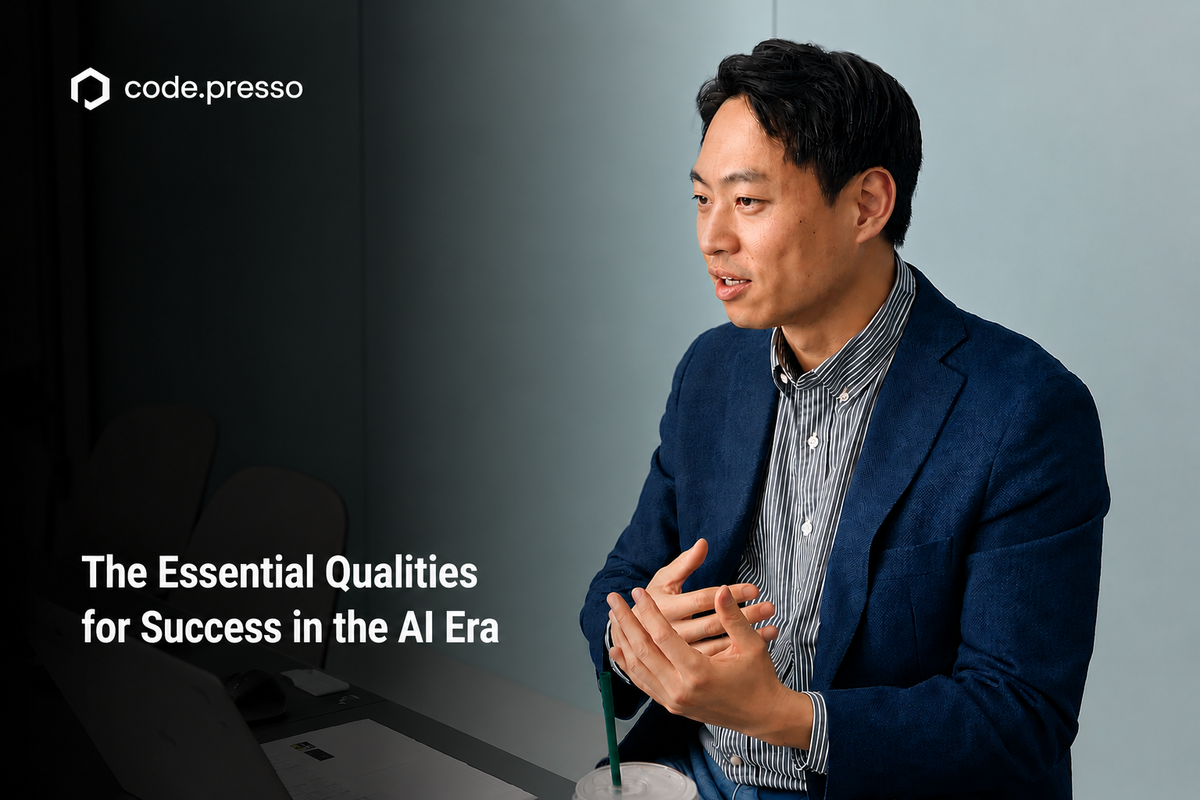
That was the central message from Codepresso CEO Donghoon Lee during a recent interview on the future of AI, workforce transformation, and skills development.
While only part of the conversation appeared in the original media interview, this article explores several ideas that continue to shape Codepresso's vision for AI transformation.
1. Technology Doesn't Create Transformation. People Do.
Before founding Codepresso, Donghoon Lee worked as a software engineer at LG Electronics and Smilegate during the early wave of digital transformation.
He watched organizations invest heavily in emerging technologies such as AI, big data, and cloud platforms. Despite substantial investments, many projects struggled to deliver meaningful business value.
The reason wasn't technical.
Employees simply weren't prepared to use the new technology effectively. That experience fundamentally changed how he viewed digital transformation.
"Technology isn't the hard part. Helping people change how they work is."
Today, he believes the same lesson applies to AI.

2. AI Transformation Is About Changing How People Work
Many organizations have already provided employees with access to ChatGPT, Microsoft Copilot, Claude, or internally developed AI assistants. But simply giving employees AI tools doesn't change how work gets done.
People often continue following the same processes they've used for years, only with AI assisting individual tasks.
Real AI transformation requires something much deeper. It requires employees to rethink workflows, decision-making, and collaboration.
According to Lee, organizations often focus on AI adoption while overlooking the much harder challenge:
Changing long-established work habits.
"You can provide employees with the best AI tools available. But if their mindset and working habits don't change, transformation never happens."
That shift in mindset is what Codepresso considers the foundation of successful AI adoption.
3. Why AI Won't Replace Great Engineers
AI-assisted software development has accelerated dramatically.
At Codepresso, engineers routinely use AI coding assistants to generate a significant portion of production code, allowing the team to operate efficiently even during periods of reduced staffing.
Does that mean software engineers are becoming obsolete?
Not at all. Instead, the role is evolving.
Writing code is becoming increasingly automated. Deciding what to build and why is becoming far more valuable.
Future engineering leaders will combine technical expertise with product thinking, business understanding, and the ability to collaborate effectively with AI.
The highest-value professionals won't simply write code. They will orchestrate AI to solve meaningful business problems.
4. Measuring Capability Instead of Guessing
One area where Codepresso takes a fundamentally different approach is skills assessment.
Traditional hiring and workforce evaluations often rely on multiple-choice tests, resumes, or interviews.
Those methods reveal what someone knows. They don't necessarily reveal what someone can do.
Codepresso's assessments instead simulate real work.
Candidates and employees complete hands-on projects such as building web applications, analyzing business data, or solving role-specific technical challenges.
AI then evaluates performance against detailed competency models, producing objective measurements across dozens of practical skills.
The goal isn't simply to score knowledge. It's to measure real workplace capability.
This same philosophy now extends beyond software engineering to AI capability assessment, helping organizations understand whether employees can apply AI effectively in real business situations.
5. Building a Global Standard for AI Capability
Lee's long-term vision extends well beyond assessment technology.
He believes organizations around the world will eventually need a common way to measure AI capability, much like standardized language certifications transformed English proficiency.
Instead of asking, "How good are you at AI?" organizations should be able to answer that question using a trusted, objective benchmark.
That vision has gained international recognition.
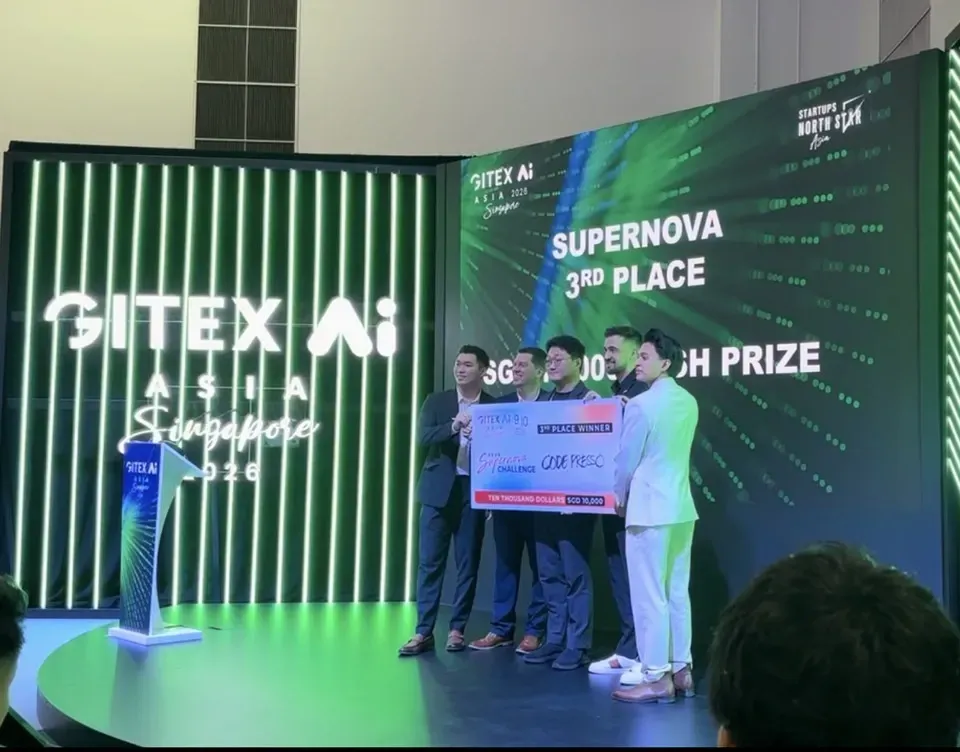
Codepresso's approach to AI capability assessment has attracted global attention through partnerships, international education initiatives, and recognition at global technology competitions.
But the broader mission goes beyond enterprise software. The company also aims to expand access to AI education in underserved regions, helping individuals build the skills needed to participate in an AI-driven economy.
6. AI Transformation Begins with Your Workforce
Organizations often begin AI transformation by asking: Which AI platform should we deploy?
According to Lee, that's the wrong starting point.
The better question is: Is our workforce ready to use AI effectively?
Technology will continue to evolve. The organizations that succeed won't necessarily be those with the newest AI tools. They'll be the ones that invest in helping their people develop the skills, judgment, and confidence to use AI well.
That's where successful AI transformation begins.
About Codepresso
Codepresso helps organizations accelerate AI transformation through AI capability assessment, workforce analytics, and role-based learning programs.
By measuring workforce readiness before scaling AI initiatives, organizations can make better investment decisions, deliver more targeted learning experiences, and build sustainable AI capability across the enterprise.