How a Builderthon That Started in Seoul Reached Luxembourg

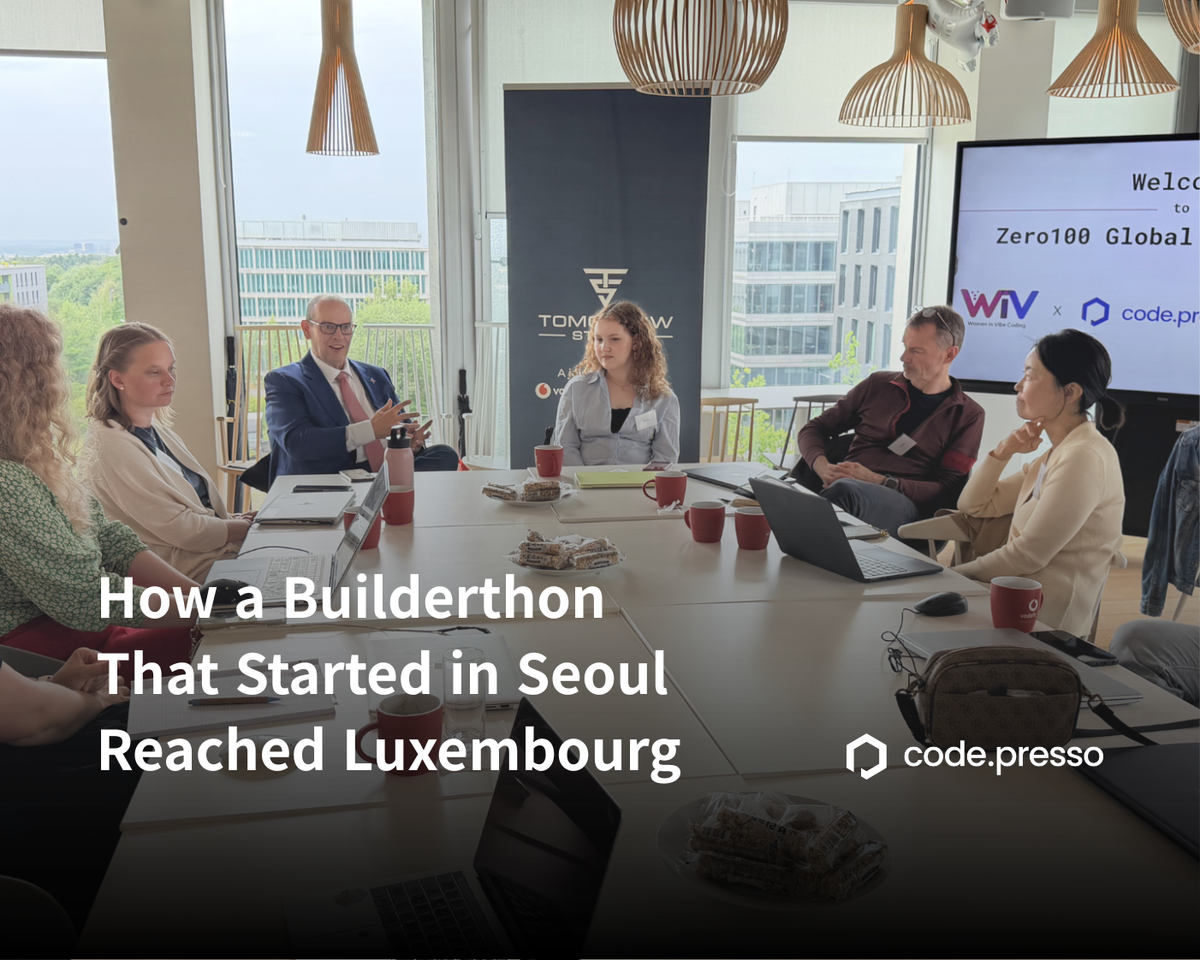
What started in Seoul has now traveled across Singapore and Vietnam, and this time, landed in Luxembourg.
Each cohort has brought together new cities, new faces, and new stories. But the starting point has always been the same: people with a problem they want to solve and the curiosity to build something with AI.
The Luxembourg cohort was no exception.
A Community of Builders, Not Professional Developers
Most participants of the Women in Vibe Coding Luxembourg Cohort weren't software engineers.
They were marketers, educators, healthcare professionals, designers, and professionals from many other fields. More than half were working full-time in their respective industries, and for many, coding wasn't part of their day job.
What they all shared was a single idea they wanted to bring to life.
Yesterday's Builders, Today's Mentors
The journey officially began on May 22 with a virtual Kick-off session hosted by Kristel Weinreich.
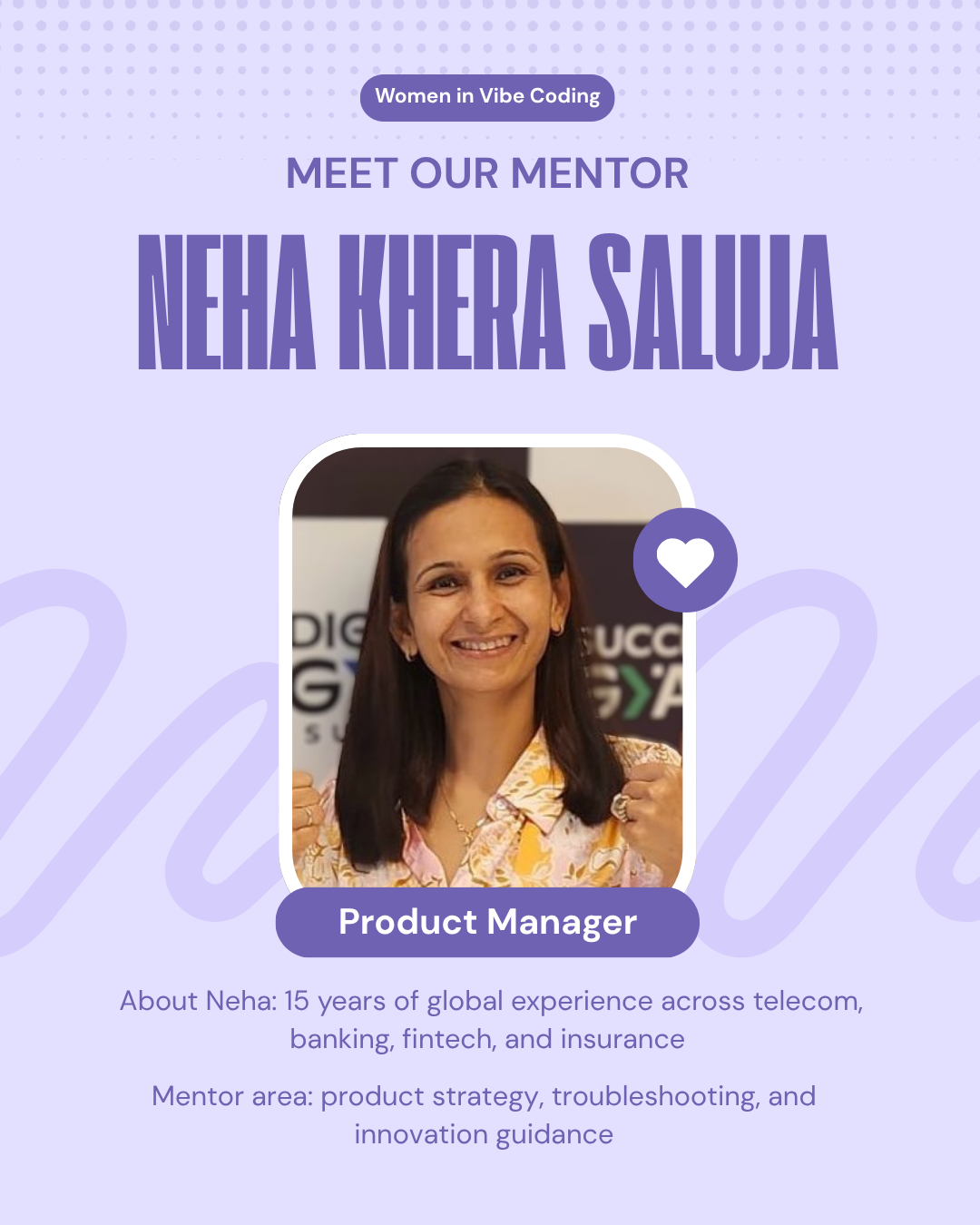
After Kristel welcomed the cohort, the keynote speaker appeared on screen: Neha Khera Saluja.
Just months earlier, Neha had been a participant in the Singapore cohort. This time, she returned as a speaker, sharing her own journey and encouraging the next group of builders.
The mentor team reflected the same spirit of giving back.
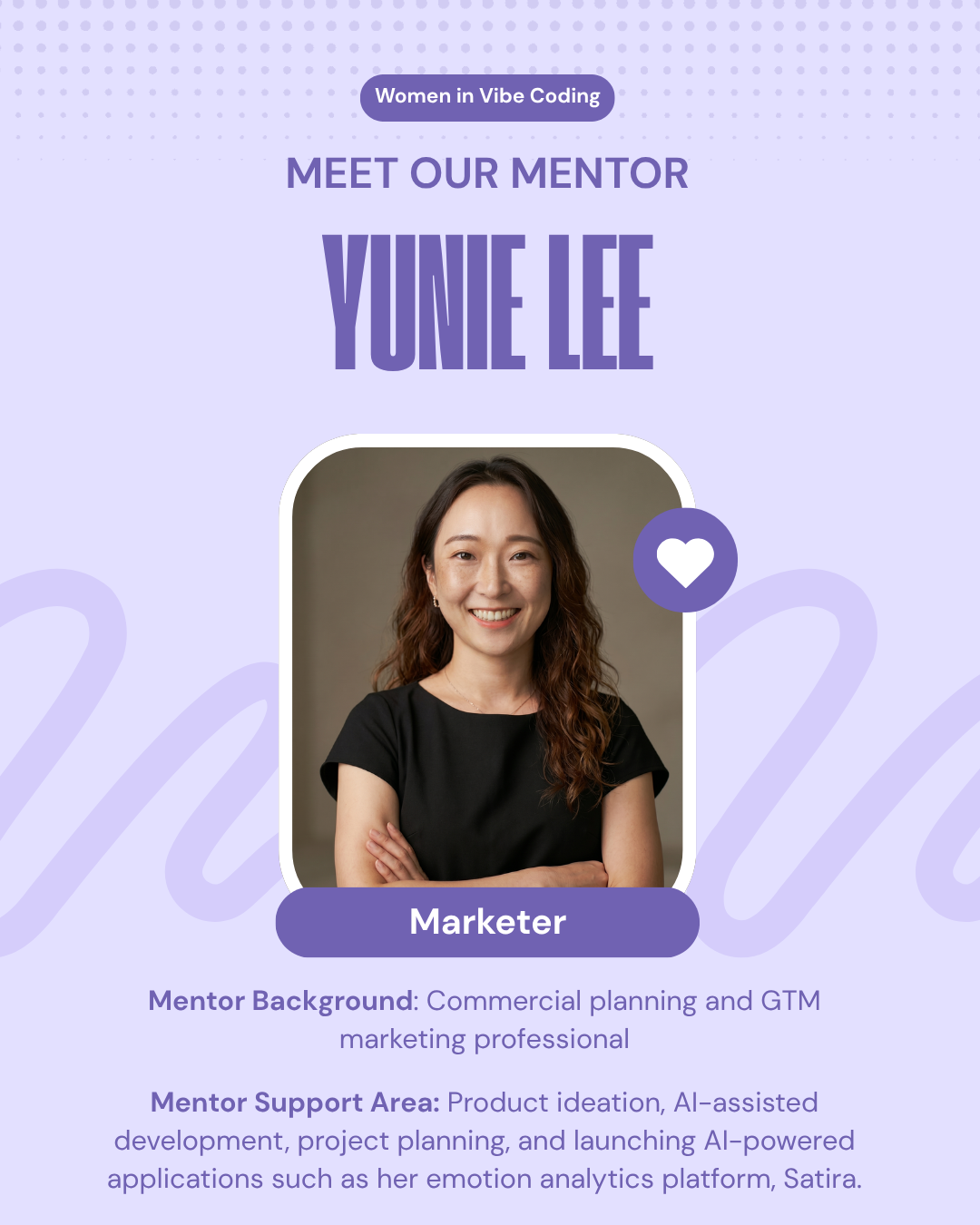
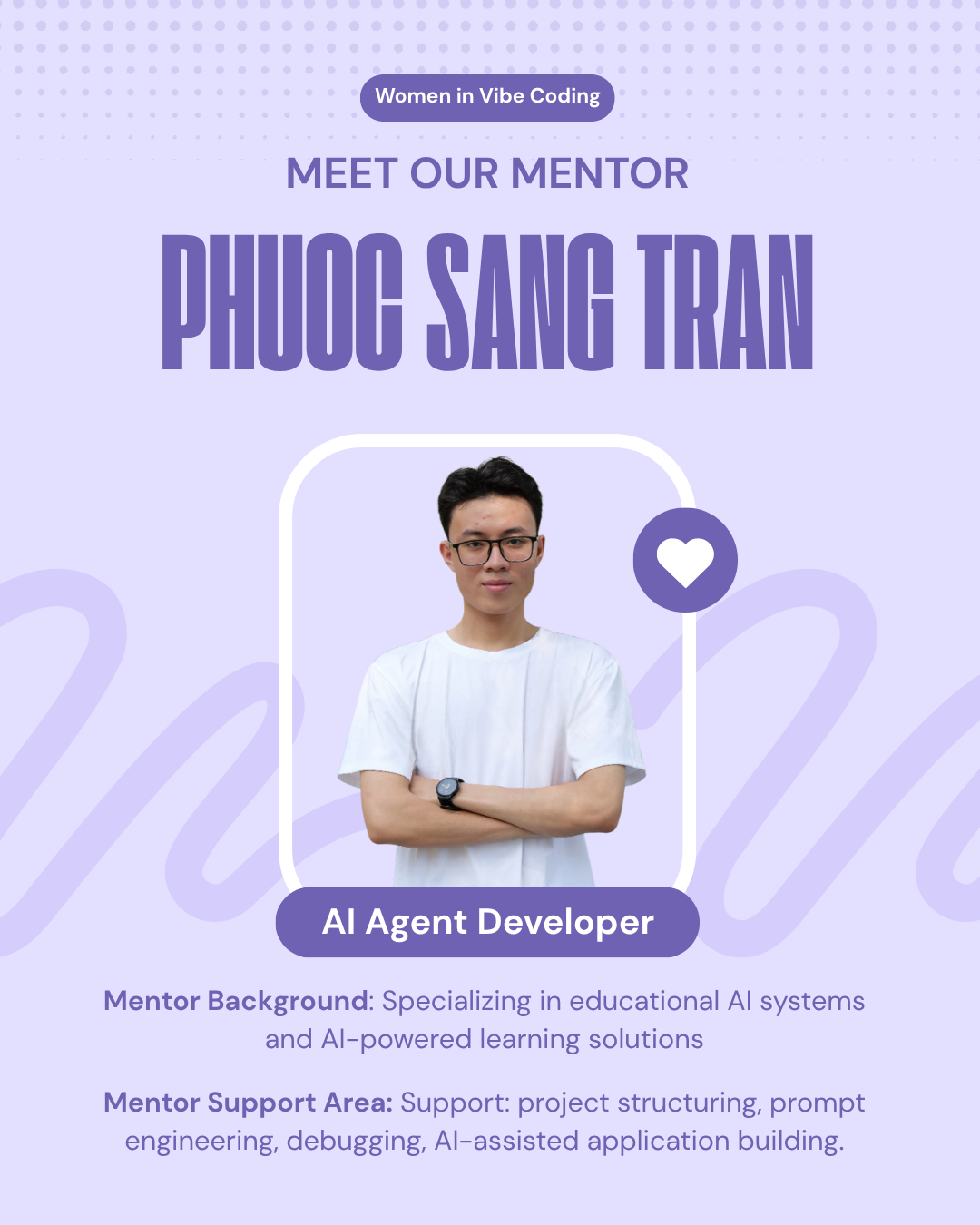
Neha joined as a Singapore cohort alumna. Yunie Lee represented the Korea community, while Codepresso AI engineer Phuoc Sang brought his experience mentoring the Vietnam cohort.
Each mentor had once stood where the participants were standing now.
That's how this community grows: today's participants become tomorrow's mentors.
A Community That Never Sleeps
After the Kick-off, participants spent four weeks learning independently through the program's online platform.
For many, it was their first time opening tools like Google Antigravity, Gemini CLI, or GitHub. Questions poured into the community channels around the clock—from every time zone.
Whenever someone got stuck, someone else had already been there.
Neha answered questions from Singapore. Yunie jumped in from Korea. Sang continued the conversation from another part of the world. Support moved seamlessly across time zones, creating a truly global learning experience.
No one had to figure things out alone.
Demo Day: Sharing the First Version
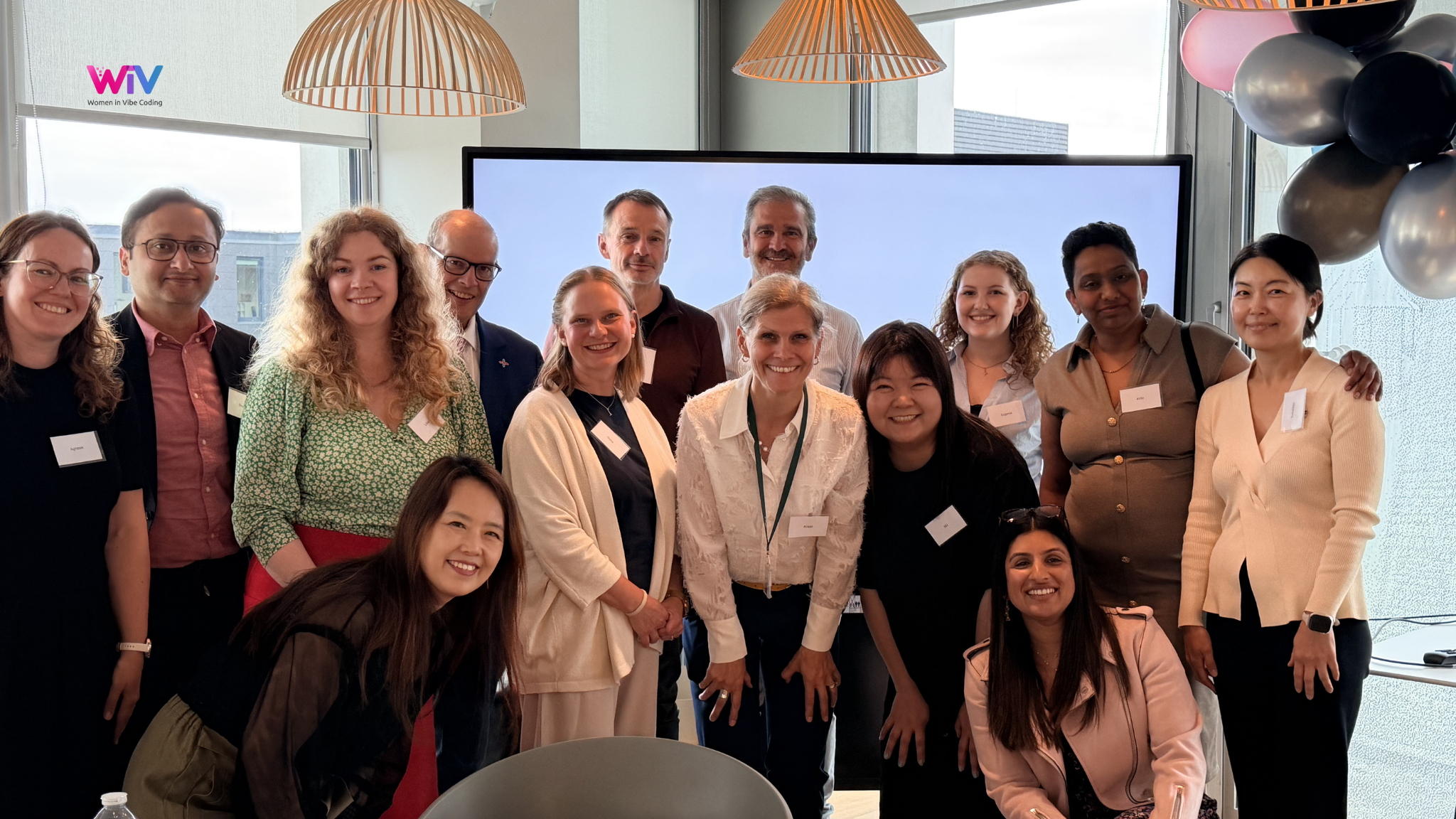
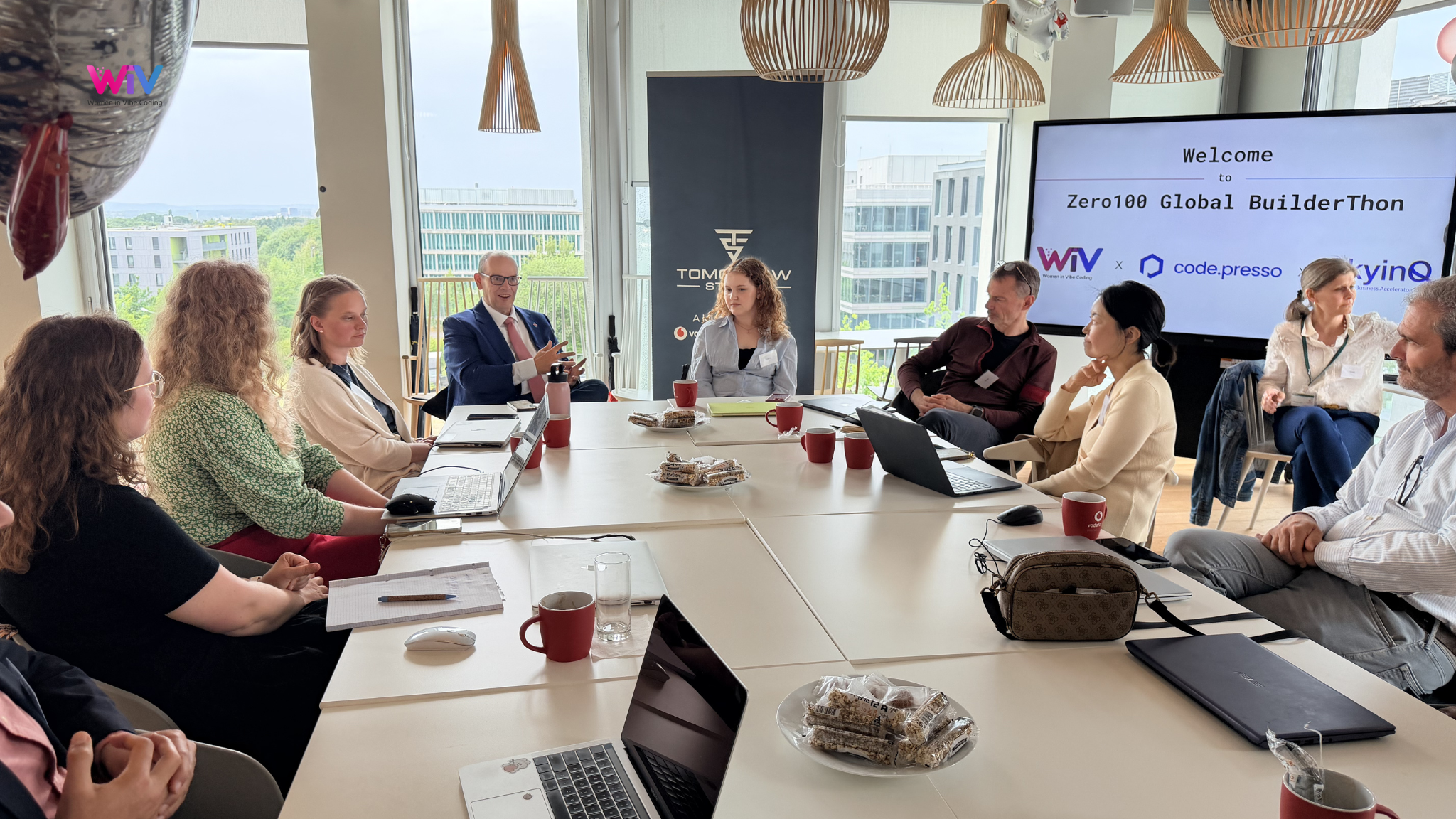
On June 16, participants gathered at Tomorrow Street, Luxembourg's startup hub, for Demo Day.
Fifteen participants stepped onto the stage, each presenting a product they had built.
None of the projects were perfect and they weren't expected to be.
Every great product starts as an imperfect first version.
What stood out most wasn't what participants built, but why they built it.
Some created solutions for everyday frustrations.
Others turned personal interests into practical applications.
Several built services designed to help their families, colleagues, or local communities.
The question heard most often throughout the event wasn't "How did you build it?"
It was: "What problem were you trying to solve?"
Innovation Begins With Opportunity
Among the guests was François Thill, who visited each participant's Demo Day, listened to their presentations, and asked thoughtful questions about their ideas.
The message that emerged throughout the event was clear: When people are given the right opportunities, the right tools, and the confidence to use them, innovation can come from anyone.
Where Will We Build Next?
This cohort was made possible by participants, mentors, and partners, including SkyinQ and Tomorrow Street, whose support helped create an environment where ideas could grow into real products.
AI generated the code, but every important decision remained human.
Participants decided which problems were worth solving, who they wanted to build for, and what success looked like.
Gemini CLI was the tool.
The vision belonged to the builders. From Seoul to Singapore, Vietnam, and now Luxembourg, the Women in Vibe Coding journey continues to grow.
We don't yet know where the next cohort will take place. But we do know that someone reading this today could be standing on that stage next.
The phrase "I'm not a programmer" is no longer a reason to stay on the sidelines.
We hope to see your story there.
Editor's Note
Do you still think AI building is only for software developers?
Among the 15 participants in the Luxembourg cohort, very few came from technical backgrounds. They were marketers, educators, healthcare professionals, and other professionals who transformed their ideas into working products.
This cohort reminded us of something important: The most valuable ingredient isn't the tool; it's the person with the idea.