The Secret to Using AI Well: Why AI Capability Assessment Should Come Before AI Training

Organizations everywhere are investing in AI training.
Employees attend workshops, complete online courses, and learn how to write better prompts. Yet months later, many leaders find themselves asking the same question:
Why hasn't anything really changed?
The answer isn't that employees aren't learning. It's that most organizations begin training before they understand where their workforce actually stands. Successful AI transformation (AX) does not start with training. It starts with measurement.
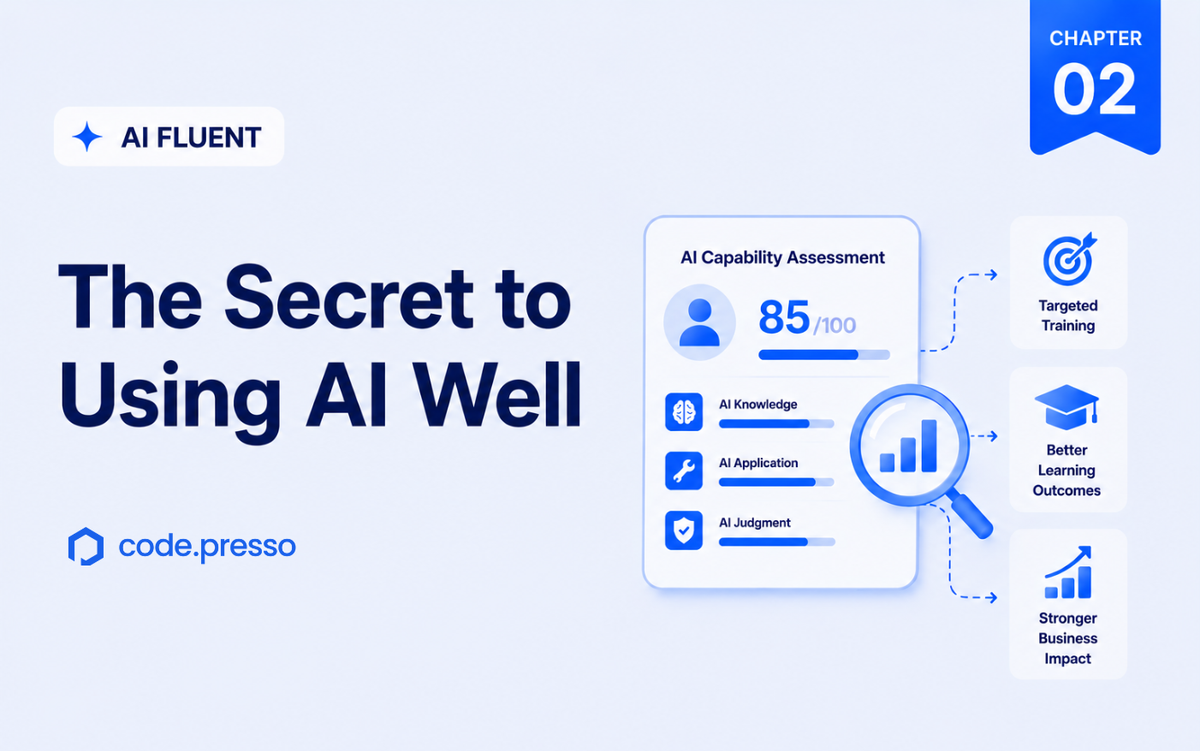
An AI capability assessment gives organizations a clear picture of their workforce's readiness, helping leaders invest in the right people, deliver the right training, and build an AI adoption strategy based on evidence rather than assumptions.
Here's why AI capability assessment should be the foundation of every AI transformation initiative.
1. Training Without Assessment Is Guesswork
Imagine asking every employee to take the exact same leadership course, regardless of their experience. Some would already know the material. Others wouldn't have the necessary foundation. The result would be predictable: wasted time, low engagement, and minimal business impact.
The same thing happens with AI training.
Some employees already use AI effectively to automate tasks, improve decision-making, and redesign workflows. Others are still experimenting with basic prompting. When everyone receives the same training, almost no one gets exactly what they need.
Assessment removes the guesswork.
Instead of assuming what employees know, organizations gain a clear picture of current capabilities and can build learning programs that match actual skill levels.
2. Better Data Leads to Better Training
One of the biggest reasons AI training fails is that companies measure participation instead of capability.
They know how many employees attended training.
They know who completed the course.
But they often don't know whether employees can actually apply AI effectively in their daily work.
AI capability assessment changes the conversation.
Instead of asking, "Who completed the training?" organizations begin asking:
- Which teams are ready for advanced AI adoption?
- Where are the biggest capability gaps?
- Which departments need additional support?
- Did training actually improve business performance?
Those answers make future training far more effective.
Learning becomes targeted instead of generic.
Investment becomes strategic instead of reactive.
3. Assessment Helps You Know Where to Start
One of the biggest mistakes organizations make is trying to roll out AI across the entire company at once.
In reality, successful AI transformation usually starts much smaller. The most successful organizations identify teams that already have the right skills and motivation, help them create measurable business value, and then expand those successes across the organization.
This approach builds confidence instead of resistance. But choosing where to begin shouldn't be based on intuition.
It should be based on evidence.
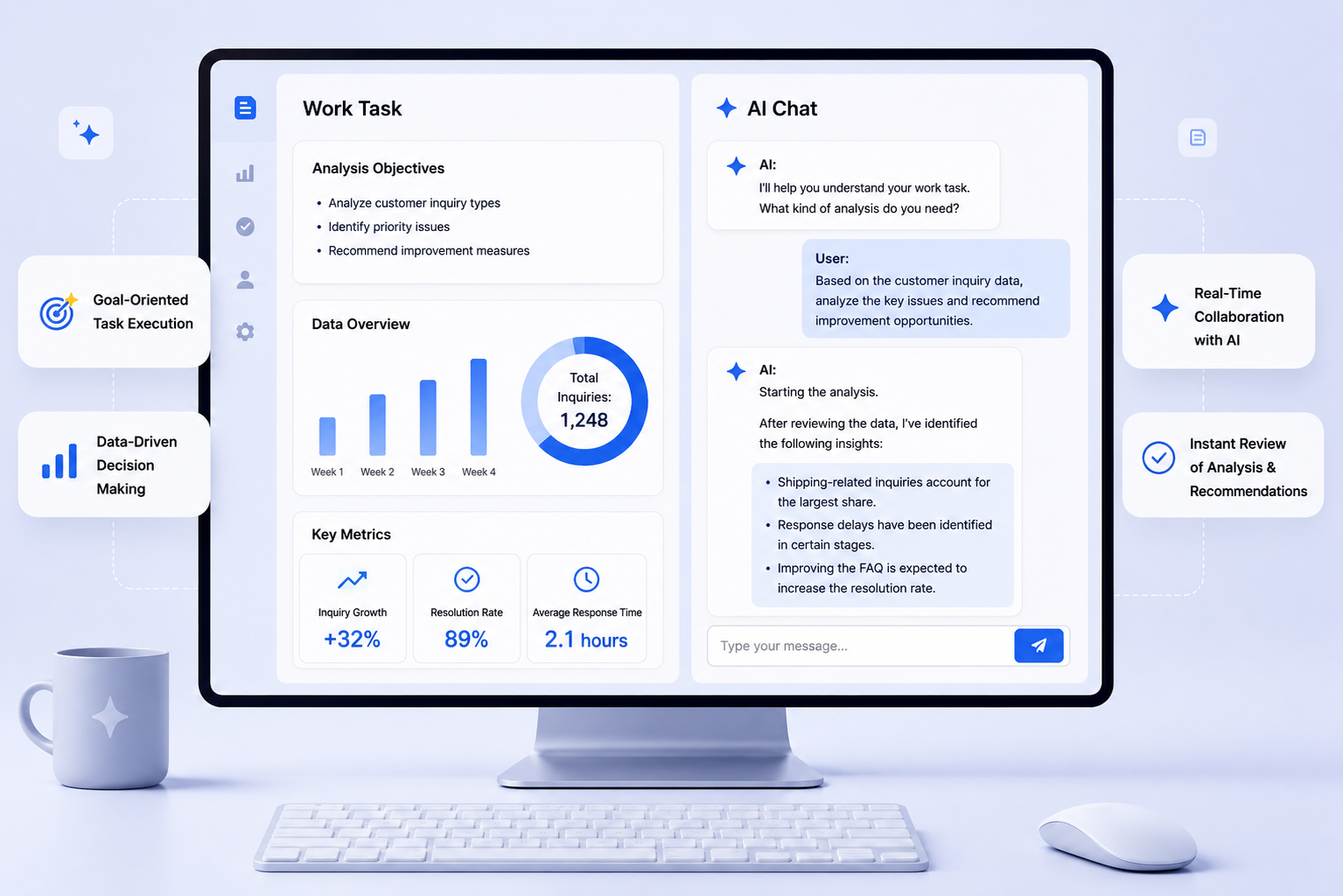
AI capability assessment identifies the departments that are most ready to succeed while highlighting the areas that need additional support before broader adoption.
Instead of hoping AI initiatives succeed, organizations can dramatically improve their odds from the beginning.
4. AI Transformation Is a People Challenge
Organizations often focus on selecting the right AI platform.
Should we use ChatGPT? Microsoft Copilot? A custom AI assistant?
Those are important decisions, but they're rarely the deciding factor.
Most AI initiatives succeed or fail because of people, not technology. Employees need to understand when AI is useful, how to apply it to their work, and when human judgment still matters.
Technology can be purchased. Capability has to be developed. And the first step in developing capability is measuring it.
Measure First. Train Second.
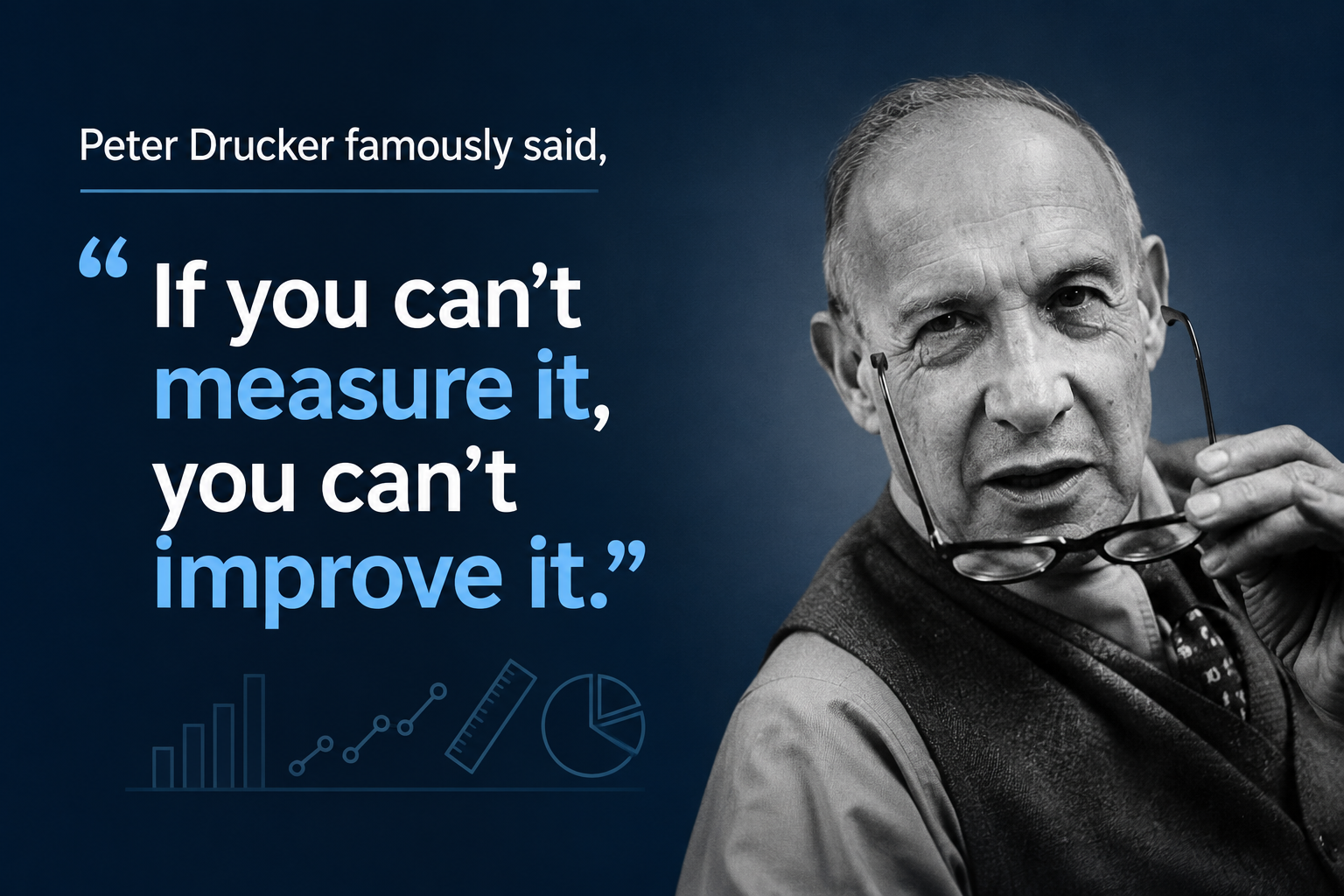
Peter Drucker famously said,
"If you can't measure it, you can't improve it."
The same principle applies to AI adoption. Without understanding your organization's current AI capabilities, it's impossible to design the right learning strategy, measure progress, or know whether your investment is paying off.
Assessment provides the baseline. Training builds capability. Measurement tracks progress.
Together, they create a repeatable path toward successful AI transformation.
Instead of asking, "Which AI tool should we buy next?", organizations should first ask a more important question: "How AI-ready is our workforce today?"
The answer to that question determines everything that comes next.
Frequently Asked Questions
When should organizations conduct an AI capability assessment?
Ideally, before launching large-scale AI training or rollout initiatives.
Establishing a baseline allows organizations to design learning programs that match employees' actual capabilities.
If AI tools have already been deployed, an assessment can identify adoption gaps and guide the next phase of training. Many organizations reassess every three to six months to measure progress and adjust their AI strategy.
How is AI capability assessment different from an IT skills assessment?
Traditional IT assessments focus on technical knowledge, software proficiency, or infrastructure management.
AI capability assessments measure something different: an employee's ability to apply AI effectively in real business situations.
This includes prompt design, critical evaluation of AI outputs, workflow integration, responsible AI use, and decision-making. The focus is practical business application rather than technical expertise.
Do small and midsize businesses really need AI capability assessments?
Absolutely.
For SMBs, every technology investment matters. Unlike large enterprises, smaller organizations often have less room for trial and error.
An AI capability assessment helps leaders focus limited resources where they'll have the greatest impact, identify early adopters, prioritize training investments, and build an AI adoption roadmap based on data—not assumptions.