Why AI Training Fails to Change Your Organization?

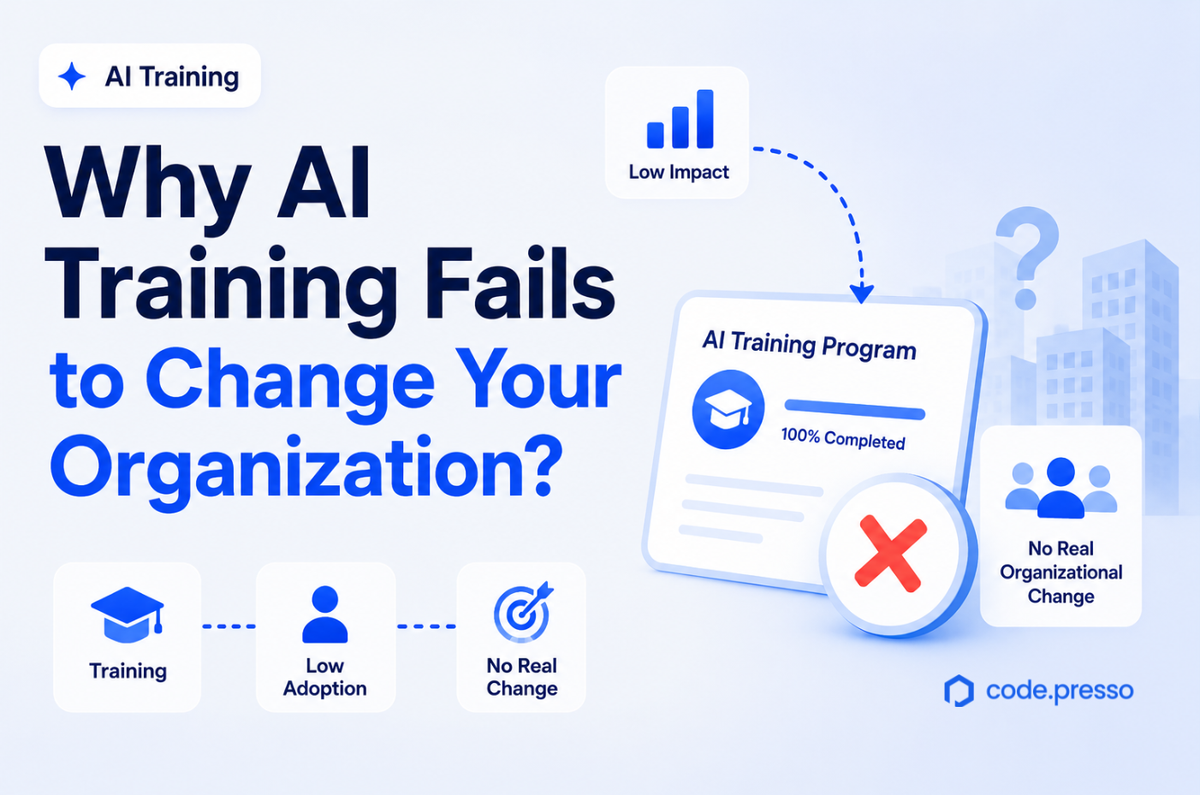
Nearly every organization is investing in AI. Yet most organizations still aren't seeing meaningful business results.
According to McKinsey's The State of AI 2025, 88% of companies now use AI regularly in at least one business function, up from just 55% two years ago. AI adoption has gone mainstream.
Only 38% have successfully scaled AI beyond isolated teams or pilot projects. Even more surprising, just 6% report significant financial gains from their AI investments.
So what's separating the top performers from everyone else?
It's not access to better AI models.
It's not bigger technology budgets.
It's people.
More specifically, it's whether employees know how to use AI effectively, apply it to real work, and make sound decisions when AI gets things wrong.
That's where AI literacy makes the difference.
AI Literacy Is About More Than Using ChatGPT
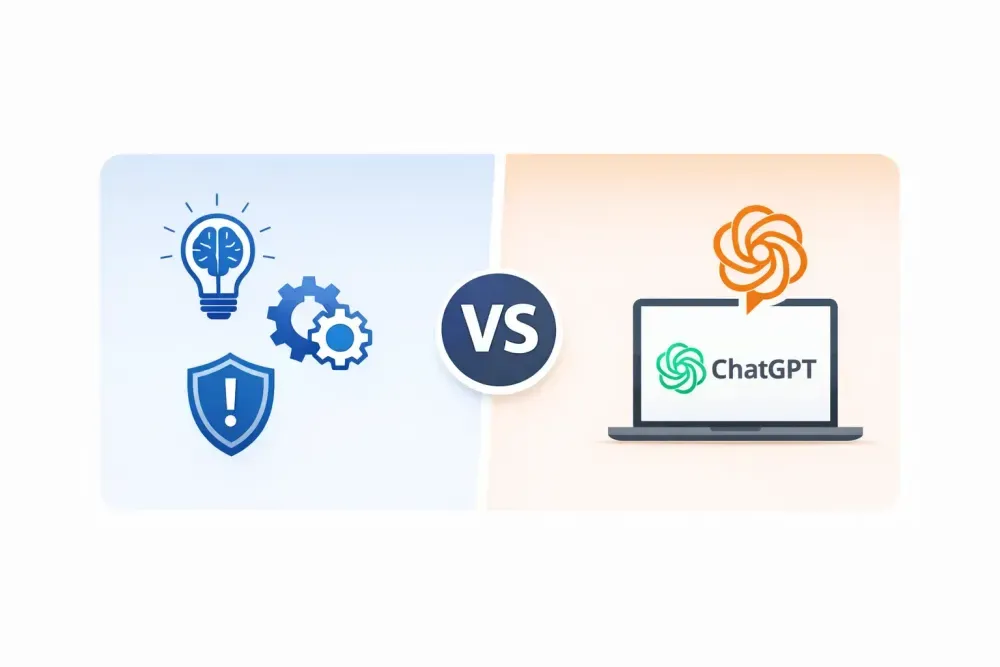
Many organizations think AI literacy means knowing how to use AI tools or write effective prompts.
That is only part of the broader picture.
Real AI literacy is the ability to understand how AI works, use it effectively in day-to-day work, evaluate its output critically, and recognize its limitations and risks.
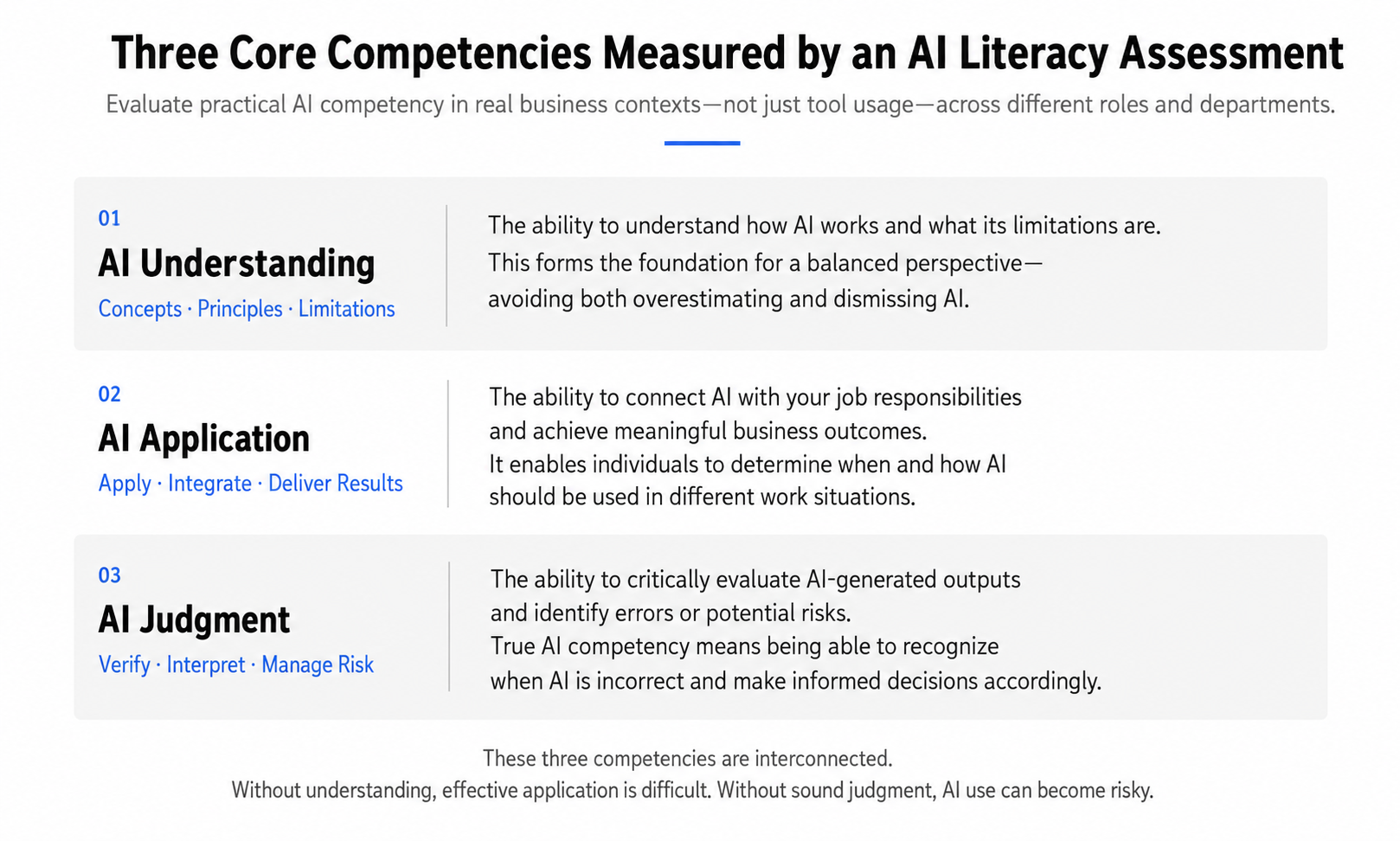
At Codepresso, we define AI literacy through three core competencies:
- AI Understanding — Knowing what AI can (and can't) do.
- AI Application — Using AI to improve productivity and business outcomes.
- AI Judgment — Evaluating AI-generated content and making informed decisions.
These skills are what separate employees who simply use AI from those who can create real business value with it.
Effesctive Training Needs Assessment
Since the rise of generative AI, organizations have rapidly expanded AI training initiatives.
Yet surprisingly few actually measure whether that training translates into real capability.
Training creates opportunity. Assessment reveals reality.
Without assessment, organizations cannot answer critical questions:
- Which departments require additional support?
- Which training programs are producing measurable results?
- Where are the largest capability gaps?
- Is the organization truly ready to scale AI?
Strategic decisions should be driven by measurable competency, not by the number of training sessions delivered.
What Should an AI Literacy Assessment Measure?
A meaningful AI literacy assessment goes far beyond testing AI knowledge.
It measures how employees understand, apply AI in real workplace scenarios and whether they can use it responsibly and effectively in their specific roles.
However, a marketing manager and a software engineer don't need the same AI skills.
That's why effective assessments must be role-based, not one-size-fits-all.
Why Many AI Initiatives Fail
Organizations rarely fail because they chose the wrong AI platform. They fail because the organization isn't ready.
A few enthusiastic employees adopt AI quickly, while the rest of the company struggles to integrate it into daily work. Before long, momentum fades and AI becomes "just another pilot project."
Successful AI transformation(AX) starts with understanding your workforce, not just your technology stack.
Assessment data gives HR and business leaders the insights they need to:
- Measure organizational AI readiness
- Identify skill gaps across teams
- Design role-specific learning programs
- Measure training ROIn
- Build a practical AI adoption roadmap
But assessment isn’t the finish line. It is the starting point.
The real value comes from using assessment results to drive continuous improvement.
As AI evolves, your workforce needs to evolve with it.
Organizations in the early stages of AI adoption should assess AI literacy quarterly. Once AI becomes part of everyday operations, semiannual assessments are typically enough to keep workforce capabilities on track.
Frequently Asked Questions
Q. How is an AI literacy assessment different from testing AI tool proficiency?
An AI literacy assessment measures something much broader: the ability to understand AI, apply it effectively, evaluate its outputs, and make sound decisions regardless of which AI tool is being used.
Those are the skills that remain valuable as AI technology continues to evolve.
Q. How can organizations use the assessment results?
- Measure AI readiness across the workforce
- Identify role-specific competency gaps
- Evaluate the effectiveness of AI training
- Prioritize AI adoption initiatives
- Build data-driven AI transformation strategies
Instead of relying on assumptions, leaders can make decisions backed by measurable data.
Q. How often should AI literacy be assessed?
As AI adoption matures, semiannual assessments are generally sufficient.
The goal isn't a one-time score, it's continuous visibility into how your workforce is adapting as AI continues to evolve.
Ready to Build an AI-Ready Workforce?
You can't improve what you don't measure.
Codepresso's AI Literacy Assessment helps organizations benchmark workforce readiness, uncover capability gaps, and build targeted learning paths that accelerate successful AI adoption.
Measure AI capability. Build workforce readiness. Scale AI with confidence.